The 10 Best Self-Help Books for Women (That Respect Your Intelligence)
Warm, practical self-help books for women — on confidence, boundaries, creativity and self-worth, without the condescension.
Self-help for women has a reputation problem: too much of it is either a guilt trip or a glossy pep talk. The books below are neither. They respect your intelligence, and they deliver something you can actually use.
The list

Untamed
A memoir that reads like a permission slip. Doyle’s central idea — we spend our lives caged by what others expect, and freedom is learning to trust the voice inside — resonates far beyond its origins.
Takeaway: Stop performing. The truest life is the one that feels like you.
Best for: Women who feel like they’ve been living everyone else’s life but their own.
Skip if: you prefer structured self-help over memoir. This is Doyle’s story first, a framework second.
Honest take: The metaphors (“the cheetah,” “the cage”) can get repetitive, and the book is long for what it says. But the central permission — trust yourself — is exactly what many readers need.
Details: 2020 · 352 pages · audiobook available

The Gifts of Imperfection
The gentler cousin to Daring Greatly. Brown distills her shame research into ten guideposts for living wholeheartedly — letting go of perfectionism, embracing enoughness, and cultivating courage.
Takeaway: You are worthy now, not when you’re “perfect.”
Best for: Women held hostage by perfectionism and the inner critic.
Skip if: you want tactical advice. This is more contemplative than instructional — ten guideposts to reflect on, not a checklist.
Honest take: Shorter and warmer than Daring Greatly, and arguably the better entry point to Brown’s work. It can feel abstract, but the “guideposts” structure keeps it grounded.
Details: 2010 · 208 pages · audiobook available

You Are a Badass
A fun, irreverent kick in the pants about self-sabotage and self-worth. Sincero mixes humor with practical exercises, and the book’s energy is contagious.
Takeaway: Your beliefs about yourself are the real ceiling — and they’re changeable.
Best for: Women who want motivation with a sense of humor, not a lecture.
Skip if: you’re allergic to “manifestation” language. Sincero leans into law-of-attraction territory, which isn’t everyone’s cup of tea.
Honest take: The science is thin and the woo is thick, but as a confidence reset it works. Take the exercises; skip the cosmic parts if they don’t land.
Details: 2013 · 256 pages · audiobook available

Girl, Stop Apologizing
Hollis targets the reflex many women have — apologizing for wanting more. It’s a straightforward call to stop shrinking, own your goals, and go after them.
Takeaway: You don’t need permission to want what you want.
Best for: Women who downplay their ambitions or feel guilty for having them.
Skip if: you want nuance. Hollis is direct and motivational — some find her tone empowering, others find it oversimplified.
Honest take: The core message is valuable, but it’s padded and light on research. It’s a pep talk with a spine, not a deep read.
Details: 2019 · 240 pages · audiobook available

The Mountain Is You
Wiest is everywhere on social media for a reason. This book is about self-sabotage — the ways we block our own growth — and how to recognize and undo those patterns.
Takeaway: The mountain in front of you is usually the one you’ve built yourself.
Best for: Women who keep getting in their own way and want to understand why.
Skip if: you want concrete, step-by-step tools. Wiest writes in short, aphoristic chapters that resonate but don’t always instruct.
Honest take: More poetic than practical — it’s a book to highlight and revisit, not to execute. But the self-sabotage framework is genuinely useful and easy to see yourself in.
Details: 2020 · 248 pages · audiobook available

Daring Greatly
Brown’s research on vulnerability reframes courage as showing up when the outcome isn’t guaranteed. It’s the emotional foundation beneath most modern self-help.
Takeaway: Vulnerability isn’t weakness — it’s the birthplace of connection.
Best for: Women who struggle with shame, asking for help, or being seen.
Skip if: you’re short on patience for narrative. Brown’s style is warm but discursive; the actionable parts are woven through stories.
Honest take: Could be a third shorter, and “vulnerability” gets stretched thin. But the reframe — courage requires risk, not armor — is foundational.
Details: 2012 · 320 pages · audiobook available

Big Magic
Gilbert’s love letter to creativity. It’s about the courage to make things, the irrationality of inspiration, and why you should create without fear of the result.
Takeaway: Done beats perfect. Make the thing for the joy of making it.
Best for: Women with a creative itch they’ve been ignoring out of fear.
Skip if: you’re a literalist. Gilbert personifies ideas as entities that visit you — beautiful if you’re open to it, frustrating if you’re not.
Honest take: Not a how-to book at all, and better for it. The mystical framing won’t work for everyone, but the permission to create for its own sake is freeing.
Details: 2015 · 288 pages · audiobook available

Atomic Habits
Not “for women” per se — but arguably the most useful self-help book of the decade, for anyone. If you’re going to read one habit book, this is it.
Takeaway: Tiny changes, repeated, compound into remarkable results.
Best for: Women building new routines around work, health, or family life.
Skip if: you’ve already read it on another of our lists.
Honest take: The most actionable book in the genre. The first half overlaps with other habit books; the second half (the four laws) is the keeper.
Details: 2018 · 320 pages · audiobook available

Mindset
The fixed-versus-growth mindset idea is the single most useful lens in all of self-improvement — especially if you’ve been told (or told yourself) you’re “not good at” something.
Takeaway: Ability is developed, not fixed. Failure is data, not identity.
Best for: Women who’ve internalized “I’m just not a math person” — or any version of it.
Skip if: you want a fast read. One idea, thoroughly explored — it repeats itself.
Honest take: Read the source, not the summaries: the “growth mindset” concept is widely oversimplified. Dweck’s own nuance (and warnings against “false growth mindset”) is the useful part.
Details: 2006 · 320 pages · audiobook available
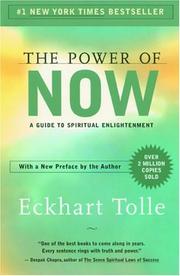
The Power of Now
A spiritual classic about presence. Tolle’s core message — your problems live in the past and future, not the present moment — is simple and, for many, life-changing.
Takeaway: The present moment is the only place you actually exist. Meet yourself there.
Best for: Women overwhelmed by overthinking, anxiety, or the rush of daily life.
Skip if: spiritual language frustrates you. Tolle writes in a Q&A format with mystical framing that isn’t for everyone.
Honest take: The format (a dialogue between a “seeker” and a teacher) can feel dated, but the core insight about the present moment is timeless and genuinely calming.
Details: 1997 · 236 pages · audiobook available
Where to start
- Need permission to be yourself? Untamed.
- Battling perfectionism? The Gifts of Imperfection.
- Need practical habit help? Atomic Habits.
Read one, live it, then move on. The goal is growth, not a full bookshelf.
For the complete list across every category, see our guide to the best self-improvement books.