The 10 Best Self-Help Books for Beginners (Start Here)
New to self-improvement? These are the friendliest, highest-impact books to start with — no jargon, no fluff, just what actually works.
Starting self-improvement can feel like walking into a bookstore and being shouted at by a hundred titles. Here’s the short, friendly list: the ten books that give you the biggest return for the least intimidation.
The list

Atomic Habits
The single best first book in the genre. Short chapters, concrete advice, and a system you can start using the same day — no prior knowledge required.
Takeaway: Tiny changes, repeated, become remarkable results.
Best for: Literally every beginner. This is the entry point.
Skip if: you want a quick read you’ll finish in one sitting. It’s built to be re-read and applied.
Honest take: The most actionable habit book in existence. Start here and you won’t need three others.
Details: 2018 · 320 pages · audiobook available
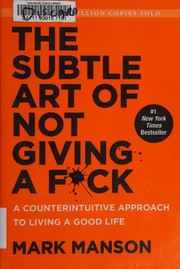
The Subtle Art of Not Giving a F*ck
Blunt, funny, and a welcome antidote to toxic positivity. Manson’s message — you have limited f*cks to give, so choose them carefully — resets your expectations about what self-improvement even is.
Takeaway: You can’t care about everything. Pick your values, accept the struggle.
Best for: Beginners skeptical of self-help and allergic to cheesy motivation.
Skip if: profanity bothers you, or you’ve already read other modern self-improvement books that cover the same ground.
Honest take: A repackaging of old philosophy in a fresh voice. The reframe is valuable, but it’s a starting point, not a destination.
Details: 2016 · 224 pages · audiobook available

How to Win Friends and Influence People
Ninety years old and still the best book on people. It’s simple, story-driven, and immediately useful in every part of life.
Takeaway: Become genuinely interested in other people — it’s the highest-ROI skill there is.
Best for: Beginners who want a people-skills classic that never ages.
Skip if: you want modern, digital social advice. This is pre-internet, with pre-internet examples.
Honest take: The examples are dated, but the principles — listen, remember names, never criticize — are timeless. Still the highest-ROI book on this list.
Details: 1936 · 288 pages · audiobook available

The Compound Effect
Short, fast, and built on one powerful idea: small choices, repeated, compound. The perfect low-barrier read if you want to “get” self-improvement in a weekend.
Takeaway: Consistency beats intensity. Small daily choices are the real lever.
Best for: Beginners who want a quick win and a solid foundation.
Skip if: you’re already sold on consistency — this is one idea, restated.
Honest take: Padded, and leans on hustle-culture anecdotes. But as a first read on discipline, it does its job in under 200 pages.
Details: 2010 · 176 pages · audiobook available

You Are a Badass
Motivating without being preachy, funny without being shallow. A friendly confidence boost with real exercises for self-worth and self-sabotage.
Takeaway: Your beliefs about yourself set the ceiling — and you can raise it.
Best for: Beginners who want motivation with a sense of humor.
Skip if: “manifestation” language turns you off. Sincero leans into it.
Honest take: Light on science, heavy on vibe. But the exercises around self-worth are a solid, friendly on-ramp.
Details: 2013 · 256 pages · audiobook available

The 7 Habits of Highly Effective People
Denser than the others on this list, but worth it early — it’s the framework most modern self-help quietly borrows from. A lifetime book you can keep returning to.
Takeaway: Effectiveness is an inside-out job: change your character, not your tactics.
Best for: Beginners ready to invest in foundational principles.
Skip if: you want something quick and light. This is a slow, deliberate read.
Honest take: Dated corporate language and parables, but the framework has outlived thousands of trendier books. A foundation, not a quick win.
Details: 1989 · 432 pages · audiobook available
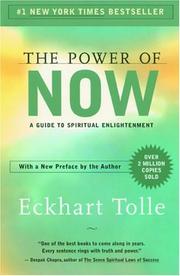
The Power of Now
A gentle introduction to presence and mindfulness. More contemplative than the others, but it’s the book many people credit with quieting their overthinking.
Takeaway: Your problems live in the past and future. Meet yourself in the present.
Best for: Beginners dealing with anxiety or a constantly racing mind.
Skip if: spiritual language frustrates you. The Q&A format and mystical framing aren’t for everyone.
Honest take: Not everyone’s style, but the core insight about presence is genuinely calming and worth meeting on its own terms.
Details: 1997 · 236 pages · audiobook available

Mindset
One big, life-changing idea: your abilities aren’t fixed. If you read this early, you’ll catch every “I can’t do that” thought before it becomes a belief.
Takeaway: Ability is developed, not fixed. Failure is data, not identity.
Best for: Beginners who doubt whether they can actually change.
Skip if: you want a fast, actionable read. One idea, thoroughly explored.
Honest take: Read the source, not the summaries — the concept is widely oversimplified, and Dweck’s own nuance is the valuable part.
Details: 2006 · 320 pages · audiobook available

The Four Agreements
Four simple principles that strip away a surprising amount of daily suffering. Tiny book, easy read, immediate effect.
Takeaway: Don’t take things personally; don’t make assumptions; always do your best.
Best for: Beginners who want a fast, spiritual-but-practical starting point.
Skip if: you want evidence-based psychology. This is Toltec wisdom, not research.
Honest take: Deceptively simple — the four agreements sound obvious until you try to actually live them. Short enough to re-read often.
Details: 1997 · 138 pages · audiobook available

The 5 AM Club
A story-driven read about reclaiming your mornings. The narrative format makes it easy for beginners, and the core idea — win the first hour of the day — is actionable.
Takeaway: A deliberate morning sets the tone for everything after it.
Best for: Beginners who want structure and a daily routine to build from.
Skip if: you dislike self-help written as fiction. The “story” is a delivery device, and some find it contrived.
Honest take: The fictional framing is divisive, and the message could be an article. But the morning-routine idea is worth stealing even if you skip the story.
Details: 2018 · 336 pages · audiobook available
How to start
Don’t read all ten. Pick one, finish it, and apply it for a month. If you only read one book this year, make it Atomic Habits. Then let the rest follow the specific problem you’re facing.
For the complete list across every category, see our guide to the best self-improvement books.